
Recovery and project management
A unified view of needs, assets and recovery progress
The platform combines data on damage, technical condition, project readiness, financing and delivery progress so that public authorities and municipalities can make informed decisions about priorities and coordinate rebuilding.
For which management decisions
Reconstruction Intelligence transforms disparate lists, records, maps and reports into a managed recovery programme with spatial context.
Prioritization
Comparison of objects by criticality, number of users, readiness of documentation, risks and available funding.
Portfolio of projects
Control of statuses from inspection and design to procurement, construction and commissioning.
Coordination of resources
Identification of territorial and sectoral imbalances, duplication of initiatives and unmet needs.
Transparent reporting
Prepare maps, dashboards and reports for management, partners, donors and the public according to the level of access.
What data does the system combine
The list of sources is determined during the discovery stage. The system can combine spatial, registry, statistical, documentary and operational data without public disclosure of information with limited access.
Objects and damage
- coordinates, type and function of the object
- results of inspections and assessments
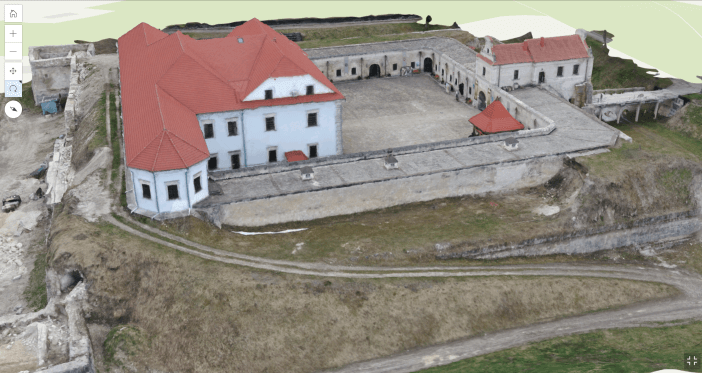
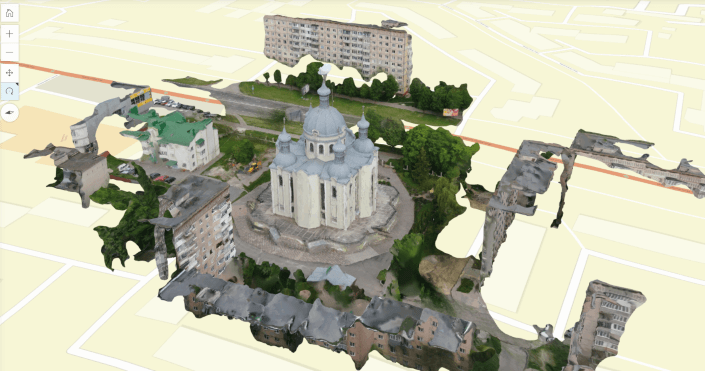
- photos, 3D models and technical documents
Project readiness
- design and cost documentation
- permits, expert assessments and procurement
- responsible institutions and contractors
Financing
- funding sources and programs
- planned and actual budgets
- needs and confirmed obligations
Execution
- stages, timelines and completion rate
- risks, deviations and problems
- inspection records and monitoring results
Key analytical modules
The modules are built around the full lifecycle of the facility and the recovery program.
Registry of recovery needs
A structured list of objects with a map, documents, data owners and change history.
Priority and scenarios
Multi-criterion comparison of projects and sequencing modeling under different budget constraints.
Implementation monitoring
Control of calendar plans, financing, procurement, physical progress and blocking factors.
Public information portal
A separate, secure showcase of verified data on recovery results without disclosing restricted information.
How implementation works
We define management tasks, users, available data and access requirements.
We agree on classifiers, indicators, integrations, quality rules and updates.
We configure priority maps, panels, analysis scenarios and user roles.
We connect new territories, sources, modules, reporting and support.
Usage levels
Architecture can be formed for a national level, a ministry or public agency, a region, a municipality or an individual organization. Each level gets its own set of data, powers, indicators and reports.
National level
Consolidated sectoral and territorial picture and interagency coordination.
Region
Portfolio of regional projects, balance of municipal needs and program control.
Municipality
Damage inventory, work planning and communication with residents.
Organization
Management of own objects, documentation, contractors and deadlines.
Related solutions and services
The platform can work as an independent analytical system or as an add-on to existing registers, geoportals and industry systems.