Emergency Prevention and Monitoring Operations Center

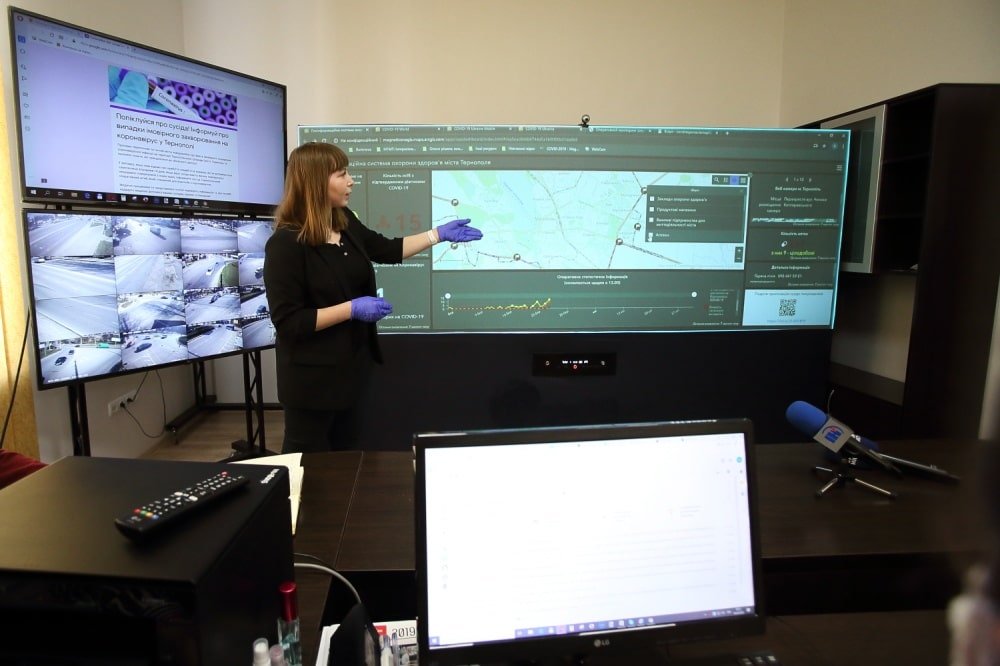
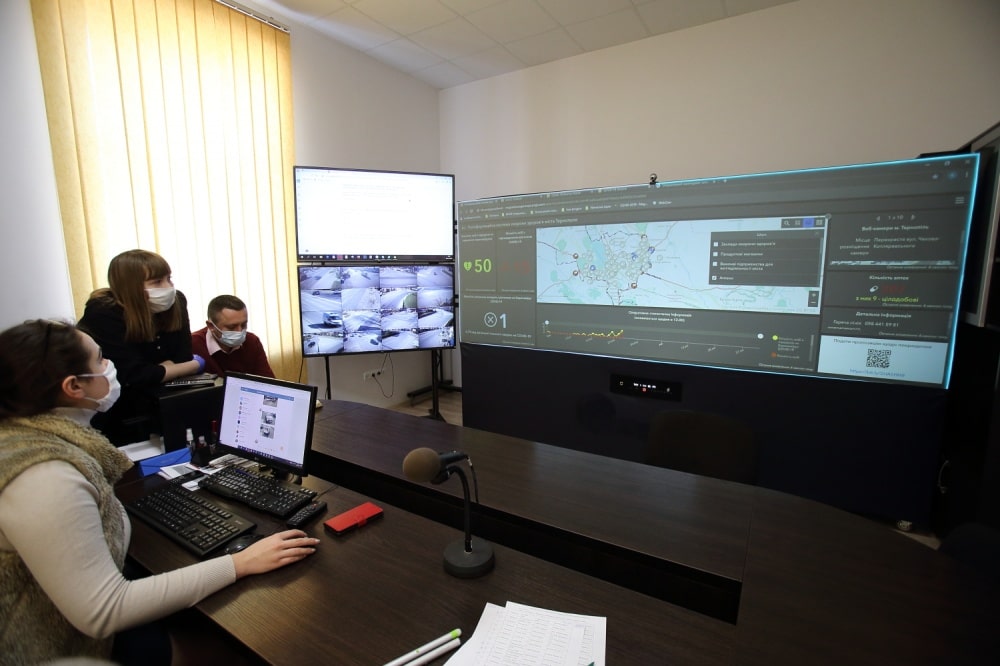
CompanyMagneticOne Municipal Technologiesprovides services for the creation of an operational center for monitoring and preventing emergency situations. The operations center is a room equipped with means of individual and collective output of information (video, audio, computer) from external, relative to the center, sources. The main purpose of such a complex is the organization of operational analysis of information with subsequent response and management decision-making, as well as control and monitoring of objects of various nature, situations and other functions.

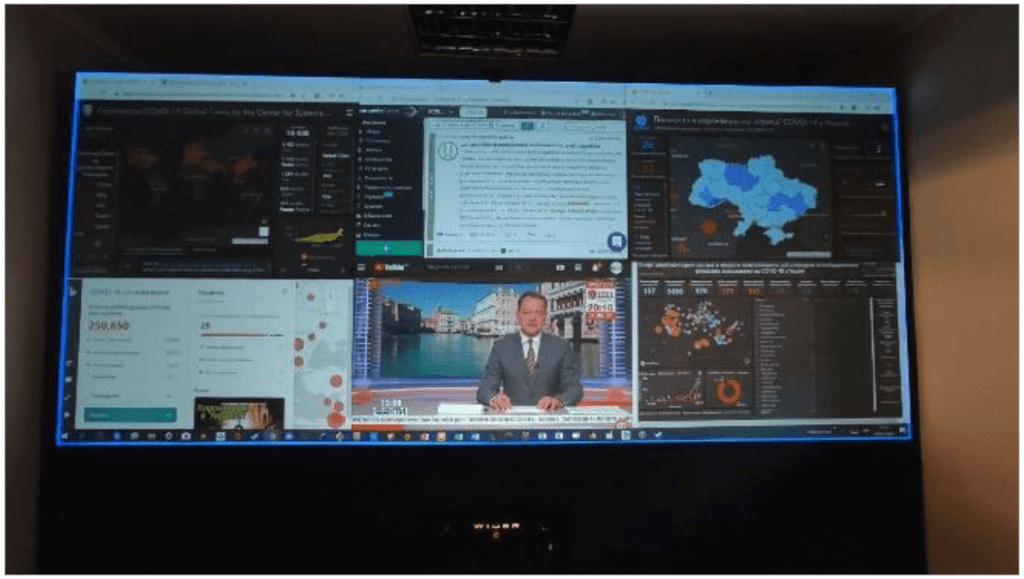
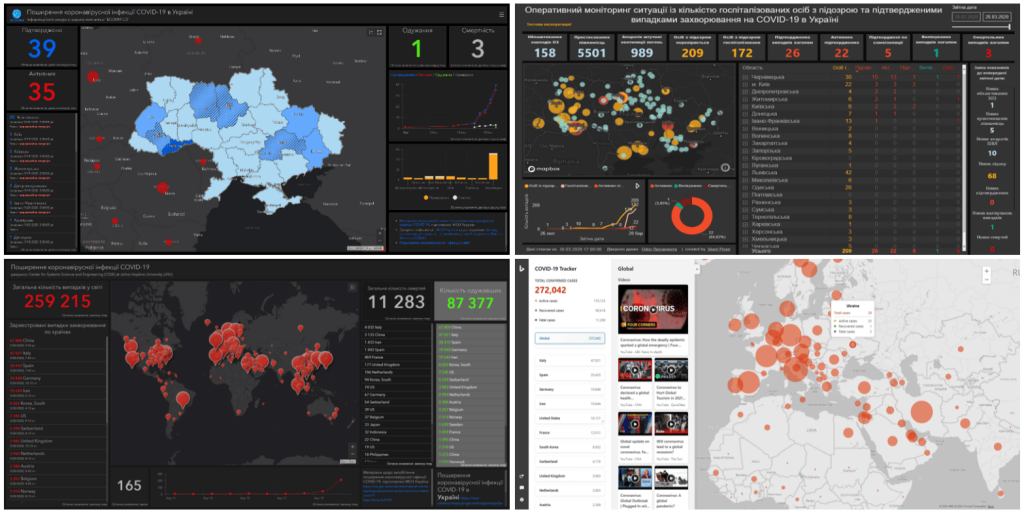
The center is one of the most effective forms of implementation of a management decision support system through the creation of a special information and technological space, which includes monitoring, forecasting, decision-making and control of their implementation. The implementation of the operations center makes it possible to make optimal decisions with minimal expenditure of time, to simulate options for the development of events, to think over the consequences of certain actions in advance, without waiting for the onset of a crisis situation.Operational situation centercombines the most modern means of communication and specialized software that allows you to quickly process large amounts of information. Analysis results in a visual format are transmitted to one or more screens of various sizes – from large-scale video walls to tablets and mobile devices.

Technological subsystems of operation center functioning

  • the information display subsystem (solves the tasks of visualization of information from various sources, its storage, processing and distribution);
  • geo-information subsystem (provides cartographic support for the processes of activity of forces and means of the State Emergency Service);
  • information and reference subsystem (provides employees with reference information on issues related to the performance of their functional duties);
  • telecommunication network (ensures data exchange).

Advantages of using the operations center

  • round-the-clock monitoring of the operational situation in the region;
  • analysis of the state of readiness and effectiveness of official activities in dealing with the consequences of emergency situations, maintaining public safety;
  • preparation of information and analytical documents (analytical review, information summary, analytical report, etc.) based on the results of the analysis of the operational situation;
  • ensuring proper and timely response to the threat of an emergency situation;
  • organization of measures to inform and prepare the population for actions in the event of emergency incidents.

The analytical core of the operations center is a GIS platform that provides

  • registration and maintenance of the history of incidents, recording the results of fire equipment audits (photo recording of violations of fire safety rules, serviceability of fire hydrants, etc.);
  • visualization on an electronic map of information about natural and man-made conditions of an emergency;
  • formation of the shortest traffic routes of emergency and rescue services and emergency response forces;
  • forecasting the development of emergency situations in order to prevent or reduce the negative impact on the population, territory and environment;
  • formation of a bank of digital spatial information about territories and objects that are subject to the greatest natural and man-made impacts (landslides, fires, etc.), and those areas of the terrain where the most dangerous objects from the point of view of emergency situations are located (dams, gas and oil storage facilities, chemical plants, etc.);
  • detection of inconsistencies in the condition of equipment and tools that directly affect the safety of the population (for example, confirmation of compliance of building safety with fire safety requirements, serviceability of fire hydrants) using a subsystem of audits synchronized with GIS.

Stages of implementation of the situational center in the Regional State Administration or the City Council

Here are detailed recommendations for city or region leaders on the implementation of a situation center. The information is presented specifically from an organizational point of view in the form of recommendations for managers at the level of a profile deputy mayor or the head of the Regional State Administration with relevant powers. These things may seem complicated or long to people without active management experience.

Stages of creating an operational situation center

  • Проектування
  • Аудіовізуальне оснащення
  • Інженерне оснащення
  • Технологічне оснащення
  • Технічне обслуговування та експлуатація
  • Впровадження аналітичних інструментів